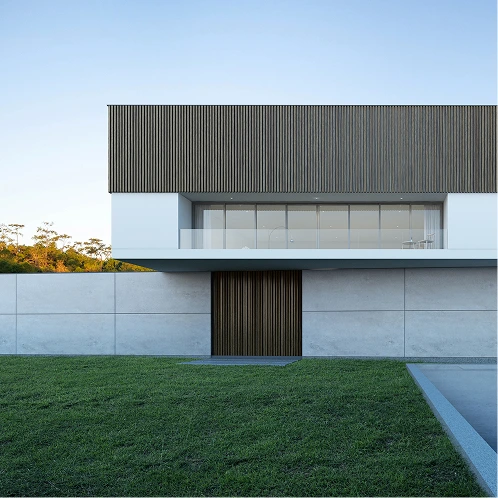

Major Transformation
& Extension
Conversion, Raising, Extension on Existing Heritage Buildings
Major transformation and extension in Luxembourg: when
the existing building becomes the starting point.
Building conversion, raised structures, contemporary extensions grafted onto heritage buildings. These projects
require mastery of existing structural constraints, precise coordination between demolition and construction, and
an accurate reading of your architectural intent.
Our Areas of Expertise in Major Transformation
Building Conversion
Converting existing buildings (offices into housing, industrial into residential) is one of the most intelligent responses to Luxembourg’s land pressure. It requires mastery of structural constraints, compliance upgrades and interfaces between new technical installations and the existing structure.
Raised Structures
Adding one or more floors to an existing building demands rigorous structural analysis of the existing foundations and load-bearing walls, an appropriate choice of construction system and a worksite organisation that minimises impact on occupants or neighbours.
Contemporary Extensions on Heritage Buildings
Grafting a contemporary extension onto an existing building is one of the most delicate architectural exercises. COMODO masters the interfaces between old and new: structural junctions, waterproofing at the connection point, continuity of networks.
Major Transformations in Occupied Buildings
Some projects require transformation in occupied buildings. COMODO plans these worksites in phases, with particular attention to occupant safety and the reduction of disruption.
Our Method on Transformation Projects
Assessment of the Existing Structure
Before any work begins, we carry out or commission a complete structural and technical assessment: surveys, contradictory measurements, identification of existing networks, structural condition report.
Interface Mapping
We establish a precise map of all interfaces between the existing building and the project: anchoring points, waterproofing junctions, network continuity. Every interface is documented with responsibilities clearly assigned.
Worksite Phasing
Works are systematically phased: selective demolition first, structural reinforcement next, then new construction. The detailed schedule is established with you from the preparatory phase.
Coordination with the Existing Structure
The new construction must adapt to the existing building, not the other way around. We work within the tolerances and constraints imposed by the existing building, proposing realistic technical solutions.
Frequently Asked Questions
Does COMODO carry out a structural assessment before starting?
Yes, systematically. We never begin a major transformation without having carried out or commissioned a complete structural and technical assessment of the existing building. Surprises are anticipated, not discovered mid-worksite.
How does COMODO manage discrepancies between plans and the reality of the existing building?
We immediately report any significant discrepancy between the provided plans and the reality of the existing building. A contradictory survey report is drawn up and the technical and budgetary implications are assessed before proceeding.
Can major transformations be carried out in occupied buildings?
Yes, in certain cases. We have experience with construction sites in occupied buildings with strict phasing, occupant protection and nuisance reduction. This type of project requires rigorous planning and constant coordination.
How are structural unforeseen events managed on major transformation projects?
Every structural unforeseen event is formalized through a joint assessment, a technical solution proposal and a detailed cost estimate. No modification is carried out without written approval from the architect and the project owner.
LET'S COLLABORATE
Let's talk about your architectural project.
Send us your plans or project brief. We will come back with a technical analysis and a detailed budget proposal.
- Response within 24 business hours
- Dedicated technical point of contact
- Free feasibility studies